May 19, 2026
Indoor comfort depends on more than heating and cooling systems. The way a building holds temperature through changing weather has a major effect on how comfortable people feel inside throughout the year. Insulation plays a central role in helping indoor spaces stay warmer during colder months and cooler during hotter months.
Many homes and buildings struggle with uneven temperatures, rising energy costs, and drafts that make rooms uncomfortable. According to Insulation Institute, 89% of U.S. single-family homes are under-insulated, decreasing comfort while increasing energy costs for homeowners. Poor insulation allows outside air to affect indoor conditions more easily. This can create hot spots during summer and cold areas during winter. A properly insulated building helps reduce those issues while supporting more stable indoor temperatures.
Modern insulation methods have improved the way buildings manage indoor temperatures. Among the most discussed options today is spray foam insulation because of its ability to help seal gaps and reduce air movement. Understanding how insulation affects comfort can help property owners make informed decisions when planning upgrades or construction projects.
Improving Indoor Temperature Control
One of the main jobs of insulation is slowing the movement of heat. During summer, heat from outside tries to enter the building. During winter, warm indoor air naturally moves toward colder outdoor conditions. Insulation helps reduce this transfer and supports more balanced indoor temperatures. Without enough insulation, heating and cooling systems often run longer to keep up with changing temperatures. Rooms near windows, attics, crawl spaces, and exterior walls may feel uncomfortable because outside temperatures affect those areas more quickly.
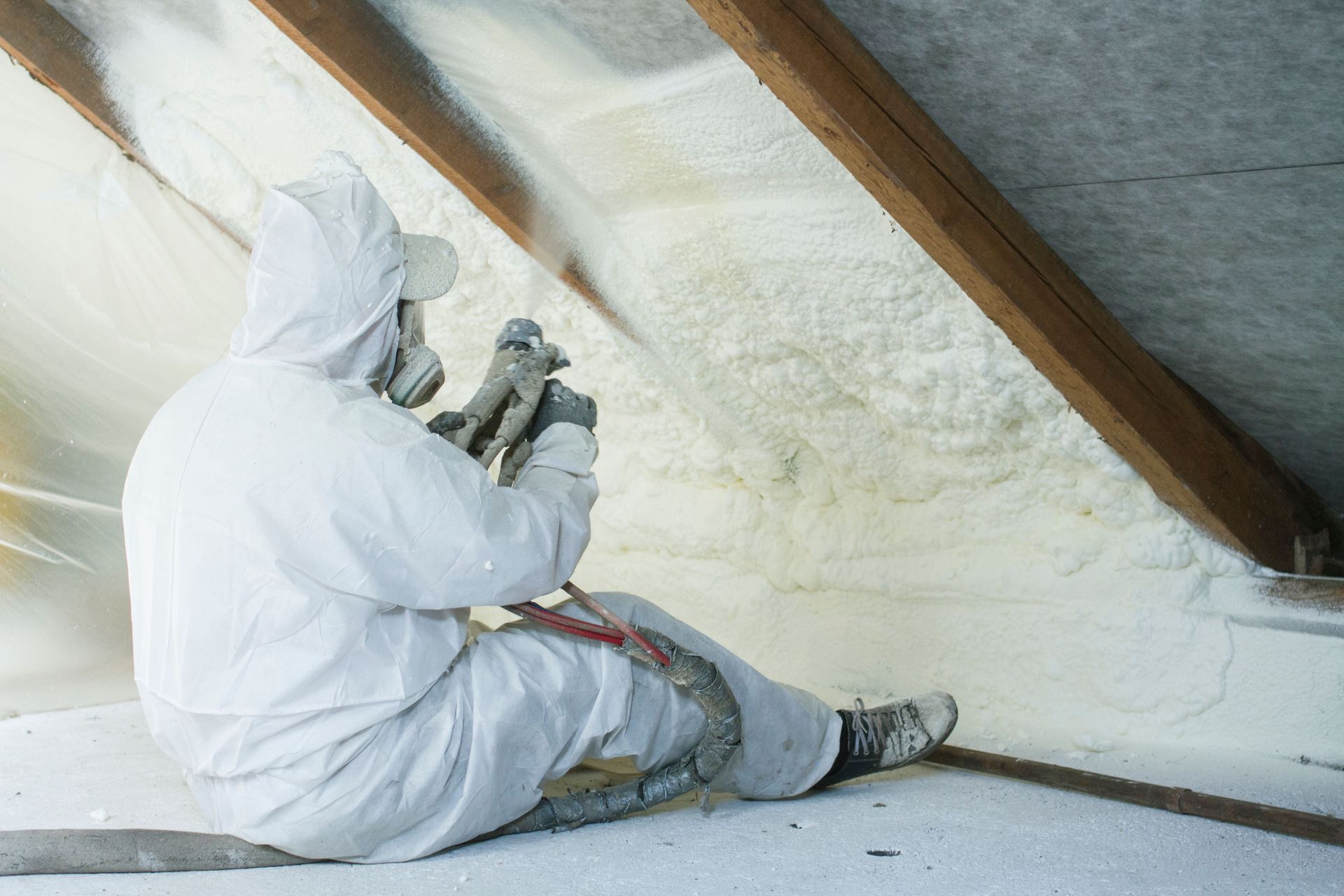
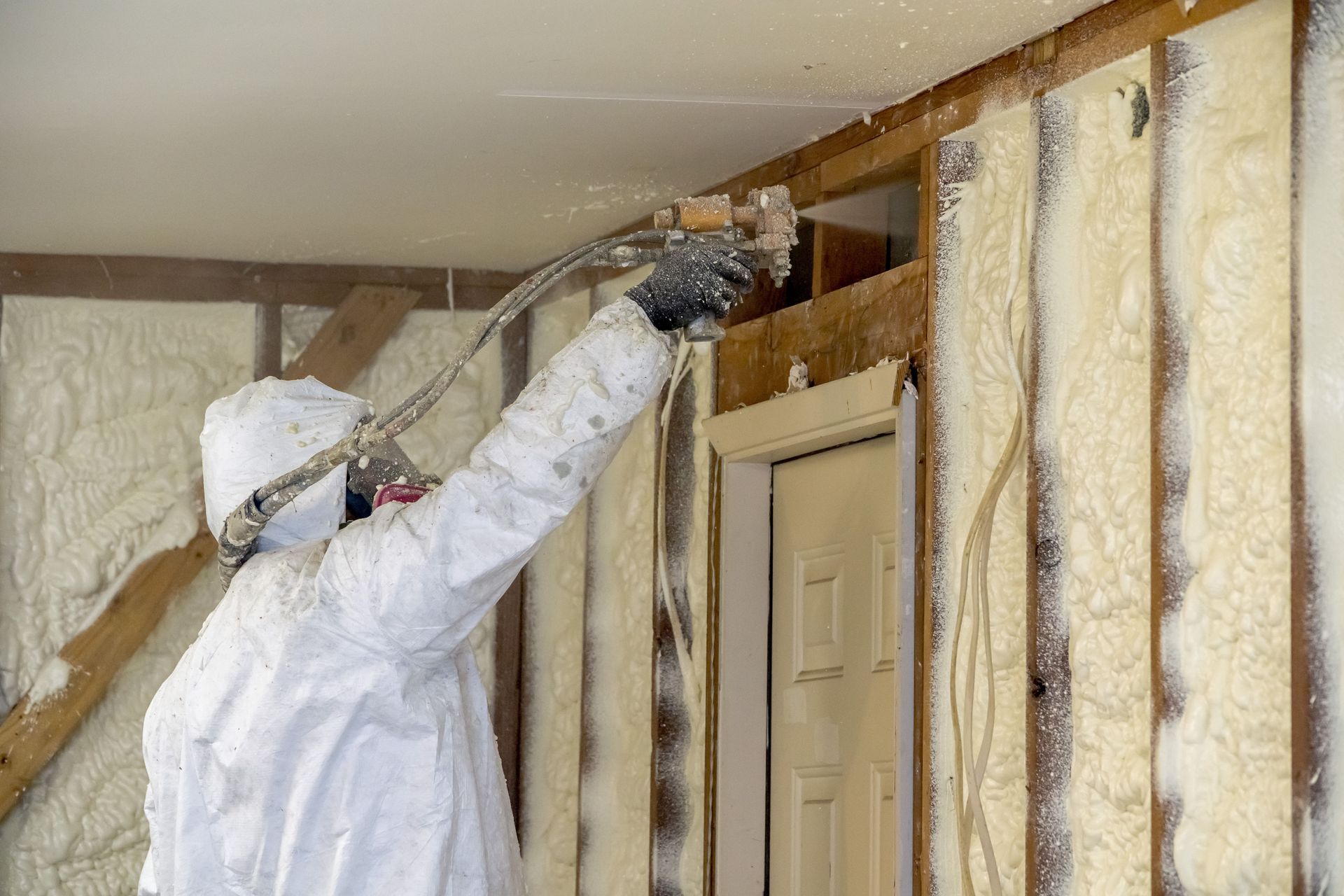
Spray foam insulation is commonly used in areas where air leaks are more likely to occur. It expands into small openings and gaps, helping reduce unwanted airflow. This can help indoor spaces feel more consistent from room to room. Buildings with stronger insulation often experience fewer sudden temperature changes during the day. Occupants may notice that indoor temperatures stay steadier even when outdoor weather shifts quickly.
Reducing Drafts And Air Leaks
Drafts are a common source of indoor discomfort. Air leaks around walls, attics, windows, and other openings can allow outside air to enter while conditioned air escapes. Even small gaps can affect how comfortable a room feels. Many older buildings were constructed before modern insulation practices became more common. Over time, settling materials and aging structures may create additional openings where air can move freely. This can make heating and cooling systems work harder while reducing comfort levels indoors.
Spray foam insulation is often discussed because of its ability to help limit air movement. By filling narrow spaces and hard-to-reach areas, it can help reduce drafts that create uneven indoor conditions. When buildings have fewer air leaks, indoor temperatures tend to remain more stable. This can help reduce cold spots during winter and overheated areas during summer. Reduced airflow from outside may also help limit moisture problems linked to humid air entering the structure. Seeking professional help for insulation inspections can help identify areas where air leakage may be affecting indoor comfort.
Supporting Better Energy Efficiency
Insulation and energy efficiency are closely connected. Buildings that lose heated or cooled air more easily usually consume more energy throughout the year. Heating and cooling systems often work longer to maintain indoor temperatures when insulation is lacking. Improved insulation can help reduce the workload placed on HVAC systems. When indoor temperatures stay more stable, systems may cycle less frequently. This may lower energy use and help reduce monthly utility costs over time.
Spray foam insulation is frequently chosen in projects focused on improving energy performance because it can help manage both insulation and air sealing at the same time. Attics, walls, basements, and crawl spaces are common areas where insulation upgrades may improve overall energy efficiency. Professional evaluations can help determine where insulation may be underperforming. Energy efficiency improvements may also support longer heating and cooling system life. Equipment that operates under less strain often experiences less wear over time.
Managing Indoor Moisture Levels
Indoor comfort is not only about temperature. Moisture levels also affect how comfortable a building feels throughout the year. Excess humidity can make indoor spaces feel warmer and heavier during the summer months, while moisture buildup may contribute to other indoor problems. Poor insulation and air leakage can allow humid outdoor air to enter the building more easily. Moisture may collect in walls, attics, or crawl spaces when warm air meets cooler surfaces. Over time, this can affect indoor comfort and potentially impact building materials.
Spray foam insulation can help reduce air movement that contributes to moisture issues. By limiting gaps where humid air enters, insulation may help support more controlled indoor humidity levels. Balanced indoor moisture can improve overall comfort for occupants. Buildings with stable humidity often feel more comfortable across different seasons without requiring constant thermostat adjustments. Professional insulation contractors can help evaluate areas where moisture problems may be connected to insufficient insulation or air leakage.
Creating Quieter Indoor Spaces
Insulation can also influence indoor noise levels. Outside sounds from traffic, weather, nearby activity, and mechanical equipment may travel more easily through poorly insulated walls and ceilings. Buildings with stronger insulation often experience reduced sound transfer between indoor and outdoor spaces. This can create a quieter environment that feels more comfortable for daily living and work activities.
Spray foam insulation may help reduce certain types of airborne noise because it helps fill open spaces where sound can travel. While insulation is not designed as complete soundproofing, it may contribute to a calmer indoor atmosphere. Noise reduction can be especially important in buildings located near busy roads, commercial areas, or high-traffic neighborhoods. Improved sound control may support better sleep, concentration, and overall comfort. Professional insulation planning can help identify areas where sound transfer may be reduced through updated insulation methods.
Preventing Seasonal Comfort Problems
Different seasons place different demands on a building. During summer, heat and humidity create challenges for cooling systems. During winter, colder outdoor temperatures can expose weak insulation areas more clearly. Seasonal comfort issues often become noticeable in attics, upper floors, garages, and rooms located near exterior walls. These areas may experience wider temperature swings if insulation performance is limited.
Spray foam insulation is often considered for year-round comfort improvements because it can help support more stable indoor conditions across changing weather patterns. Cold floors, overheated rooms, and uneven temperatures may indicate insulation problems that require professional attention. Addressing these issues can improve comfort during every season instead of only focusing on one time of year. Buildings that maintain stable indoor temperatures throughout seasonal changes often create a more comfortable environment for occupants while reducing strain on heating and cooling systems.
Maintaining Long-Term Indoor Comfort
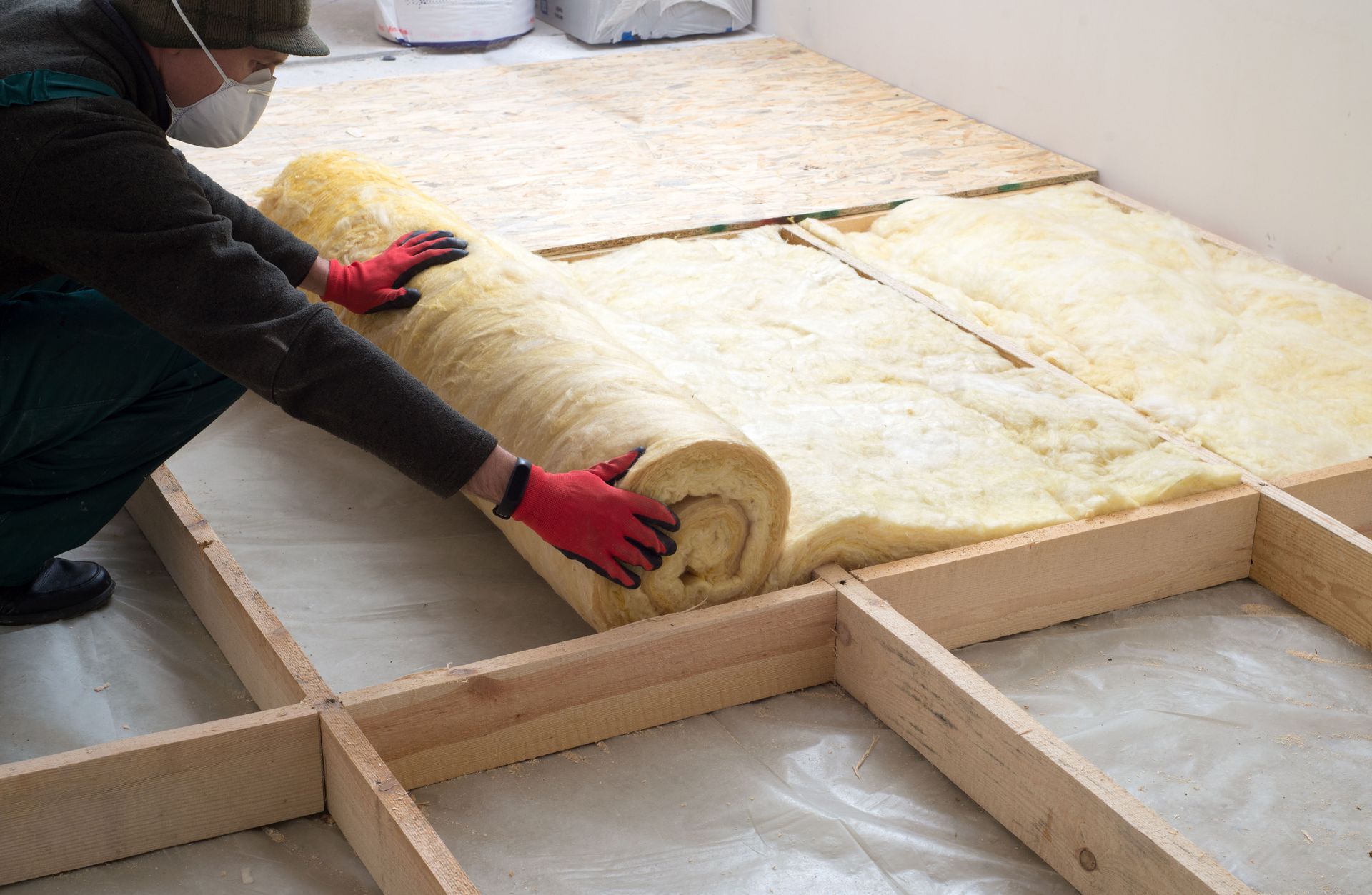
Insulation performance affects comfort every day throughout the life of a building. Older insulation materials may settle, compress, or lose effectiveness over time. This can gradually lead to increased drafts, inconsistent temperatures, and higher energy use. Regular evaluations can help identify insulation issues before comfort problems become more severe. Professional insulation contractors can assess attics, walls, crawl spaces, and other areas where insulation performance may have declined.
Spray foam insulation continues to gain attention because it can help create a more complete air barrier compared to some traditional insulation methods. This may help buildings maintain indoor comfort more effectively over time. Long-term comfort also depends on proper installation. Even quality insulation materials may underperform if gaps, weak coverage, or air leaks remain unaddressed. Seeking professional help can improve the chances of achieving better overall insulation performance.
Comfort inside a building is shaped by many factors, but insulation remains one of the most important. Proper insulation can help support stable temperatures, reduce drafts, improve energy efficiency, manage moisture, and create quieter indoor spaces throughout the year. Buildings with poor insulation often struggle with uneven temperatures and rising energy demands during seasonal weather changes. Upgrading insulation can improve how indoor spaces feel while helping heating and cooling systems operate more efficiently.
For property owners looking to improve year-round indoor comfort, Volunteer FoamPros LLC can help evaluate insulation needs and discuss options for spray foam insulation that support a more comfortable indoor environment.