June 18, 2026
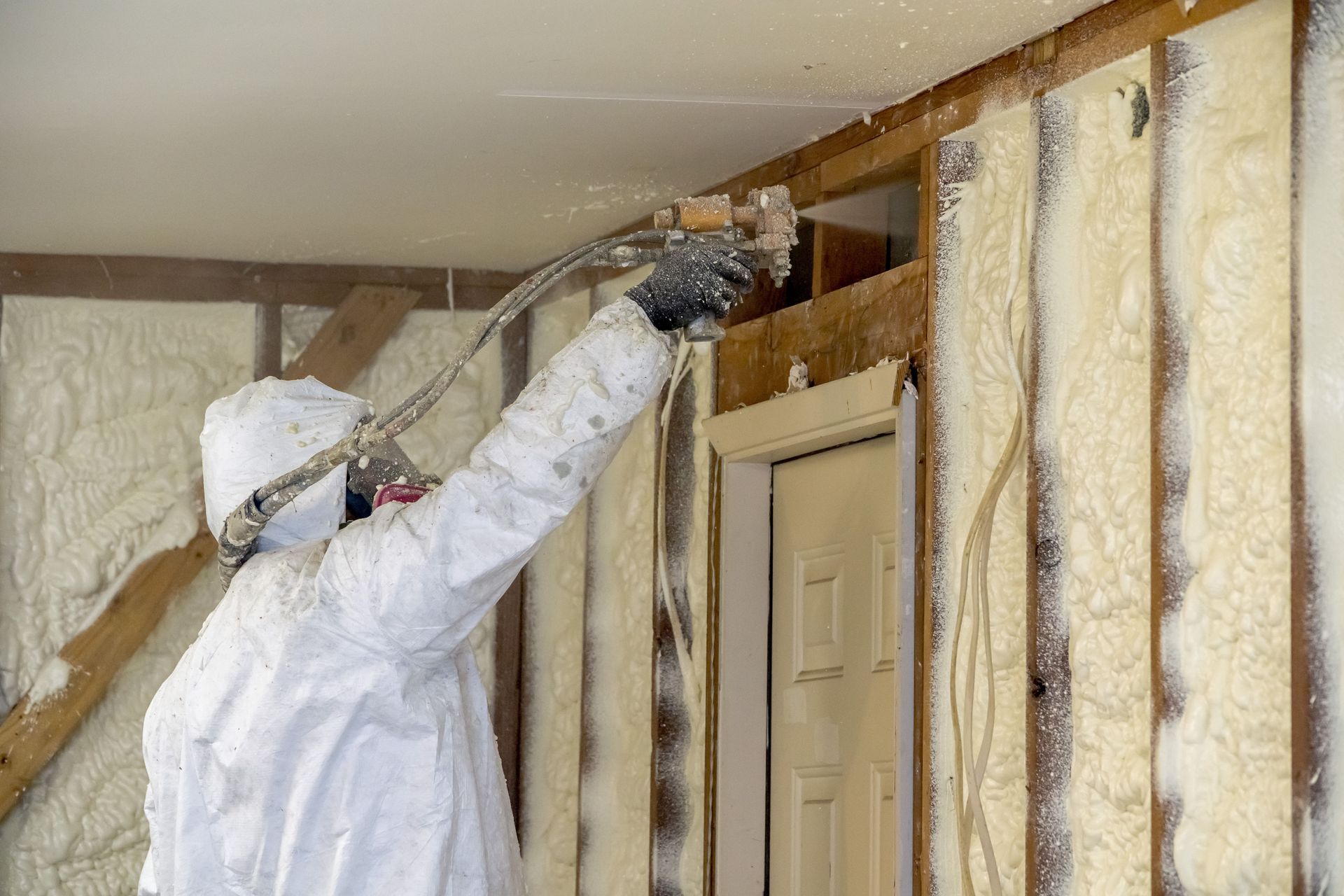
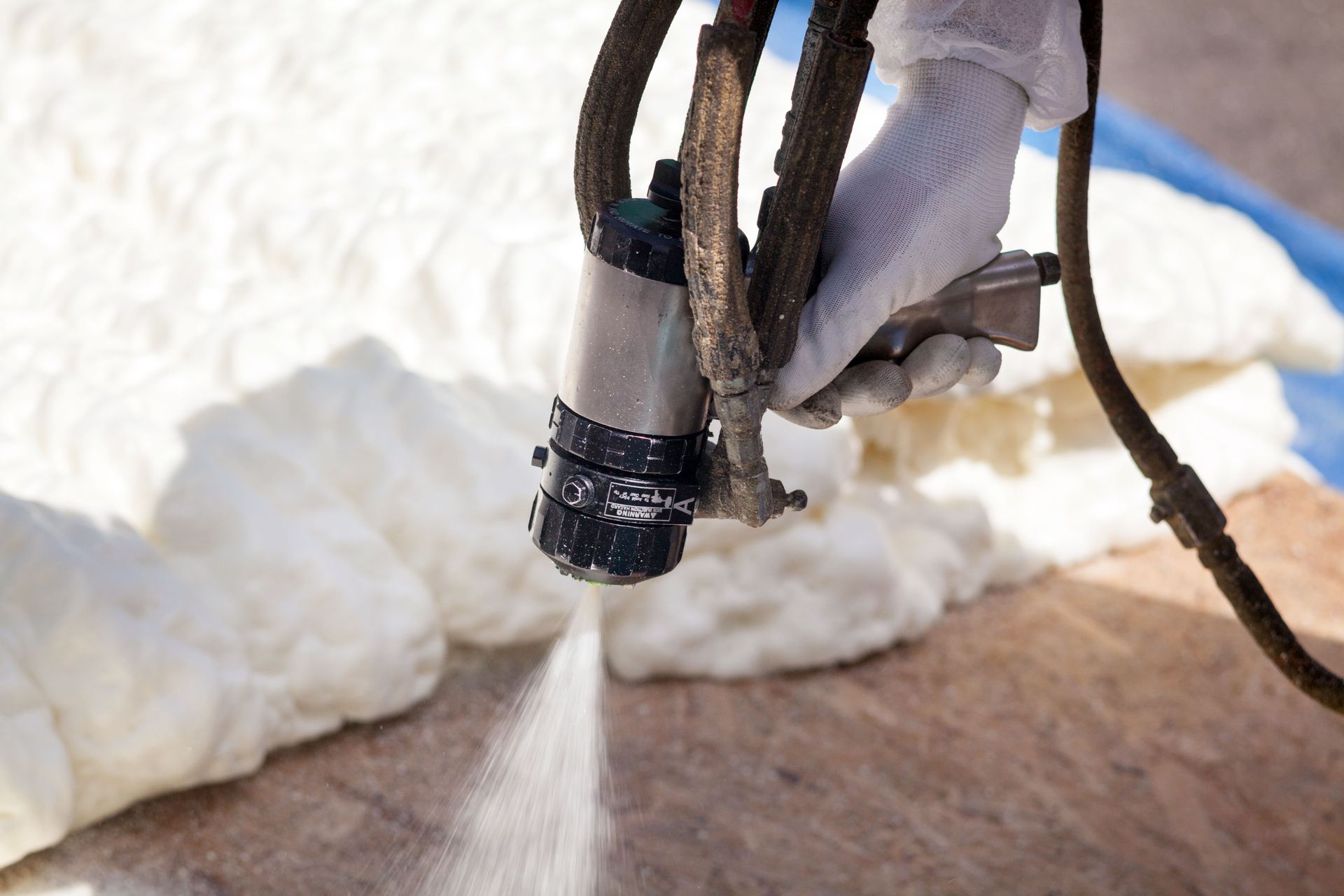
Spray foam insulation has emerged as a leading choice for enhancing energy efficiency in both residential and commercial buildings. This discussion explores the multifaceted advantages of using spray foam insulation services, highlighting its role in improving insulation quality, reducing energy consumption, and promoting sustainability. By providing an airtight seal and exceptional thermal performance, spray foam insulation addresses heat loss and energy inefficiency prevalent in traditional insulation methods. As construction practices move toward sustainability, spray foam stands out as a pivotal solution that supports modern energy-saving initiatives.
Sealing Crevices to Block Air Infiltration
Preventing air leaks is a critical aspect of building design, and spray foam insulation services excel in this capacity. Unlike traditional insulation materials that can leave gaps and allow unwanted air infiltration, spray foam expands to fill all crevices. This comprehensive air-sealing property ensures minimized heat loss, reducing the mechanical energy required for heating and cooling. Effective air sealants contribute directly to reduced utility bills, providing both economic and environmental benefits.
In addition to blocking air leaks, the resulting airtight barrier plays a crucial role in enhancing indoor air quality. It minimizes the ingress of outdoor pollutants and allergens such as dust and pollen while preventing the accumulation of moisture that can lead to mold growth. Homeowners can thus enjoy a healthier living environment with reduced respiratory issues. This effectiveness in moisture control prevents structural degradation, ensuring long-term property longevity.
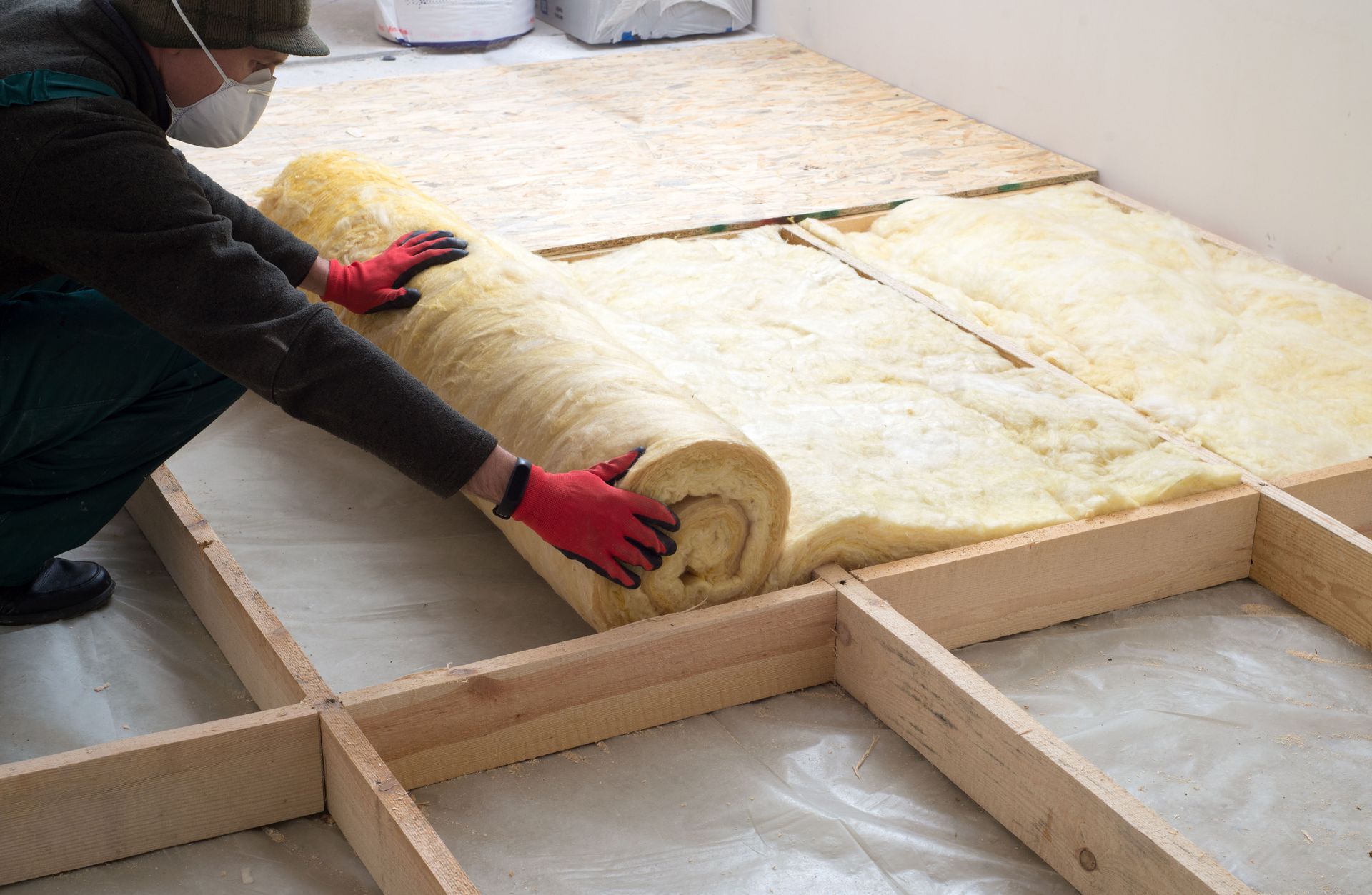
The material also delivers notable noise reduction due to its dense, cell-like structure acting as an acoustic barrier against external sound transmission. Unlike fibrous insulation that can settle or degrade over time, spray foam maintains its shape and performance characteristics for decades. This lasting presence ensures continued thermal performance without the need for frequent replacement, maximizing the overall value of the building envelope.
Maximizing Financial Returns Through Thermal Performance
Spray foam insulation services significantly contribute to lowering heating and cooling costs by creating an uninterrupted thermal envelope around a structure. The insulation minimizes heat transfer, reducing the need for excessive heating in winter and cooling in summer. This results in substantial energy savings as HVAC systems operate more efficiently, which translates into lower monthly utility expenses and a smaller carbon footprint.
The superior thermal performance stems from low material conductivity and expansive installation properties. This performance is crucial for maintaining consistent indoor temperatures, irrespective of external weather fluctuations or extreme seasonal shifts. By reducing reliance on artificial climate control, spray foam helps maintain a comfortable indoor environment all year round while stabilizing temperature zones from floor to ceiling.
Beyond reducing monthly energy expenses, spray foam insulation can help improve the overall efficiency rating of a property. Energy-conscious buyers increasingly prioritize homes and commercial buildings with upgraded insulation because of the long-term savings and comfort they provide. Improved energy performance may contribute to higher property values and increased marketability when it comes time to sell. In many cases, building owners also notice fewer temperature fluctuations between rooms, eliminating uncomfortable hot and cold spots. This enhanced comfort level, combined with lower operating costs, makes spray foam insulation a practical investment that delivers measurable benefits throughout the lifespan of the structure.
The long-term financial benefits justify the initial installation expenditure through sustained energy savings and asset protection. According to Precision Business Insights, the Inflation Reduction Act allows homeowners to claim a 30% tax credit, up to $1,200 per year, for eligible insulation improvements, including spray foam. These incentives enhance the economic appeal of upgrading to modern insulation, allowing property owners to recover their investment quickly.
Reducing Environmental Impacts via Green Construction
The environmental benefits of utilizing spray foam insulation services are substantial, offering a direct pathway toward shrinking a building's carbon footprint. Lowering the overall demand for heating and cooling energy decreases the consumption of fossil fuels and reduces greenhouse gas emissions. Furthermore, modern formulations are continually advancing to utilize blowing agents with low global warming potential, reinforcing the product's eco-friendly profile.
Manufacturers are increasingly incorporating sustainable, bio-based materials and recycled by-products into the liquid foam chemical mixture. This commitment to sustainable manufacturing reduces reliance on non-renewable resources and mitigates raw material environmental degradation. By selecting these advanced products, property owners actively support a sustainable supply chain that aligns with global green building initiatives.
The precise application technique also minimizes construction waste because the foam expands exactly into the designated cavities without requiring extensive trimming. Because the material does not settle, decay, or lose its physical integrity, it avoids the landfill disposal cycle common to temporary insulation types. This reliability facilitates compliance with stringent environmental benchmarks and can contribute to earning green certifications like LEED and ENERGY STAR.
Adapting to Varied Architectural Structures and Climates
The versatility of spray foam insulation services is evident in its successful application across diverse geographic regions and climates. Its thermal properties remain highly effective in both sub-zero northern winter environments and high-humidity southern summer conditions. This cross-climatic reliability ensures stable building performance regardless of regional weather patterns or localized climate extremes.
This adaptability extends across various building types, from residential homes to large-scale commercial and industrial facilities. The liquid components conform perfectly to irregular structural shapes, steel framing, concrete block walls, and complex architectural designs. Whether integrated into new construction projects or used to seal existing facilities, the material creates a seamless barrier that traditional batts cannot replicate.
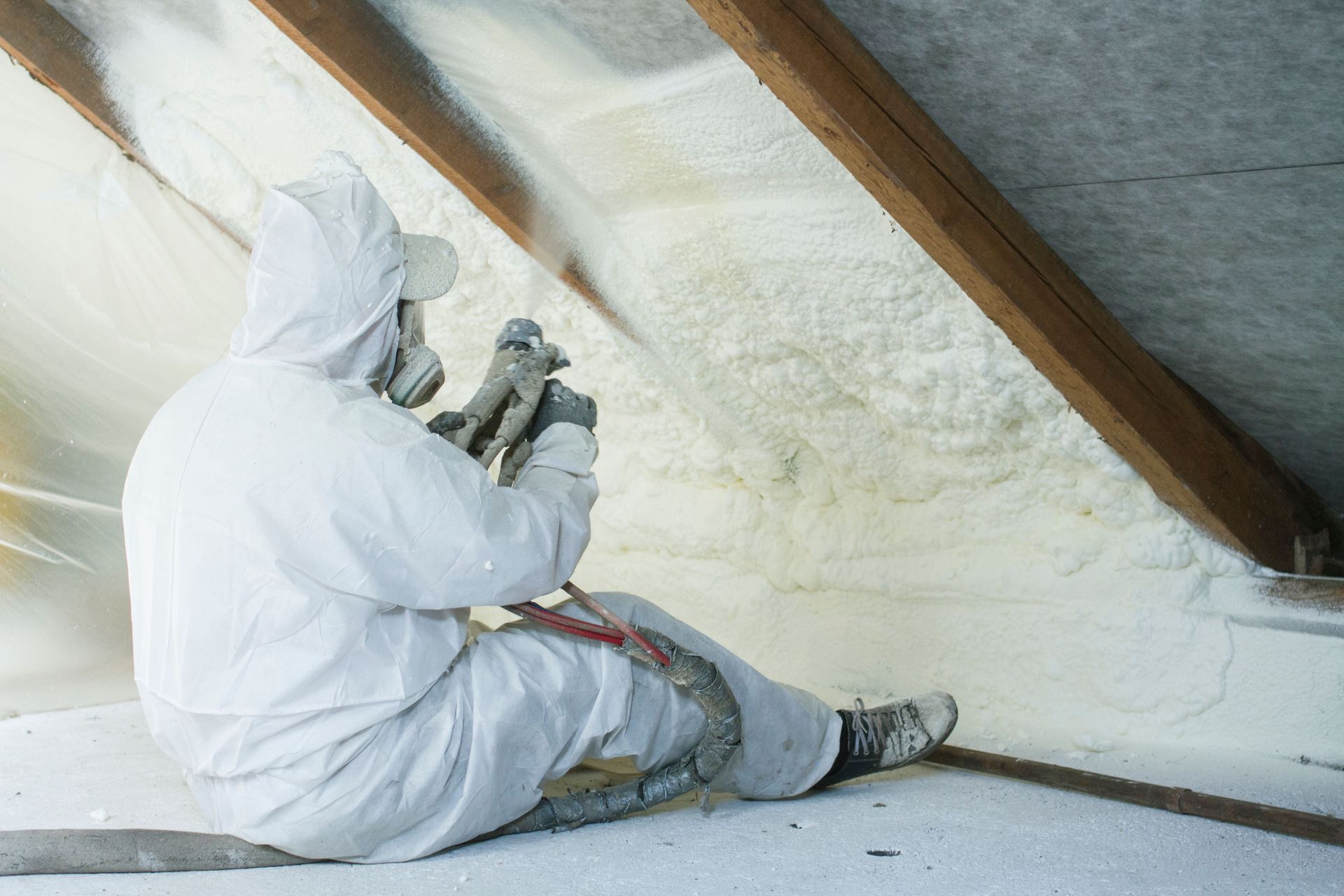
Retrofitting older buildings with spray foam provides an excellent opportunity to upgrade energy profiles with minimal disruption to the existing architecture. The non-intrusive application process allows technicians to inject or spray the material directly into hard-to-reach areas like attics, crawlspaces, and empty wall cavities. This capacity expands the viability of energy-conservation upgrades across aging municipal and private infrastructures.
Strengthening Building Frameworks Against Environmental Stress
An inherent physical advantage of closed-cell spray foam insulation services is the structural rigidity it adds to walls and roof assemblies. As the dense foam expands and hardens within wall cavities, it adheres firmly to the studs and sheathing, increasing the overall racking strength of the building. This fortified matrix helps structures withstand high lateral winds and minor environmental impacts more effectively.
This added structural resilience safeguards the building envelope from weather-related wear and tear over time. By blocking external moisture and hot, humid air from infiltrating structural framing components, the foam prevents wood rot and fasteners from corroding. Minimizing these hidden degradation factors prolongs the lifespan of the entire structural framework and maintains the safety of the interior space.
Furthermore, because the building remains tightly sealed, indoor climate control machinery experiences significantly less operational strain. HVAC systems do not have to cycle as frequently or run continuously to counteract drafts, which drastically reduces mechanical wear and tear. This protection extends the operational lifespan of expensive heating and cooling equipment while cutting down on emergency repair costs.
Engaging professional installers ensures that spray foam insulation services are applied with precision, maximizing the performance and longevity of the chemical barrier. Qualified service providers deliver tailored application strategies that address unique architectural challenges while ensuring full compliance with local building and safety codes. Utilizing advanced materials safeguards properties from energy loss, moisture damage, and structural strain over the long term. For more information about the services that we offer, reach out to our incredible team at Volunteer FoamPros LLC today!