August 19, 2026
Proper insulation is crucial to maintaining the energy efficiency and overall comfort of your home. A building envelope that lacks structural integrity allows thermal energy to freely escape during colder months while letting radiant summer heat penetrate living spaces. Unsealed voids within walls, attics, and crawlspaces force heating and cooling systems to run continuously to stabilize indoor climate conditions. Addressing thermal boundaries through professional upgrades establishes an airtight seal that regulates ambient temperatures year round. Selecting modern spray foam insulations offers long-term protection against thermal transfer, environmental drafts, and moisture intrusion.
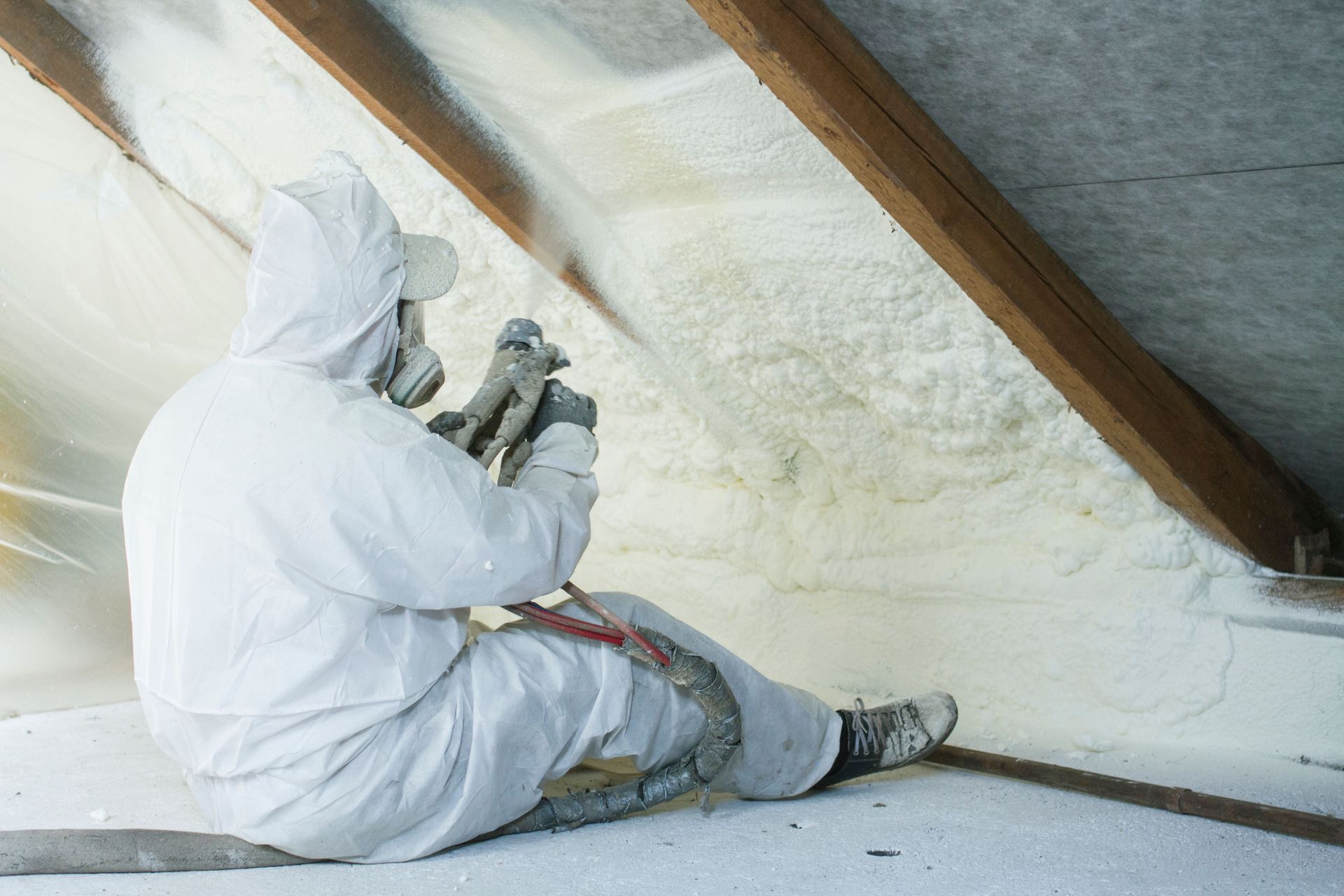
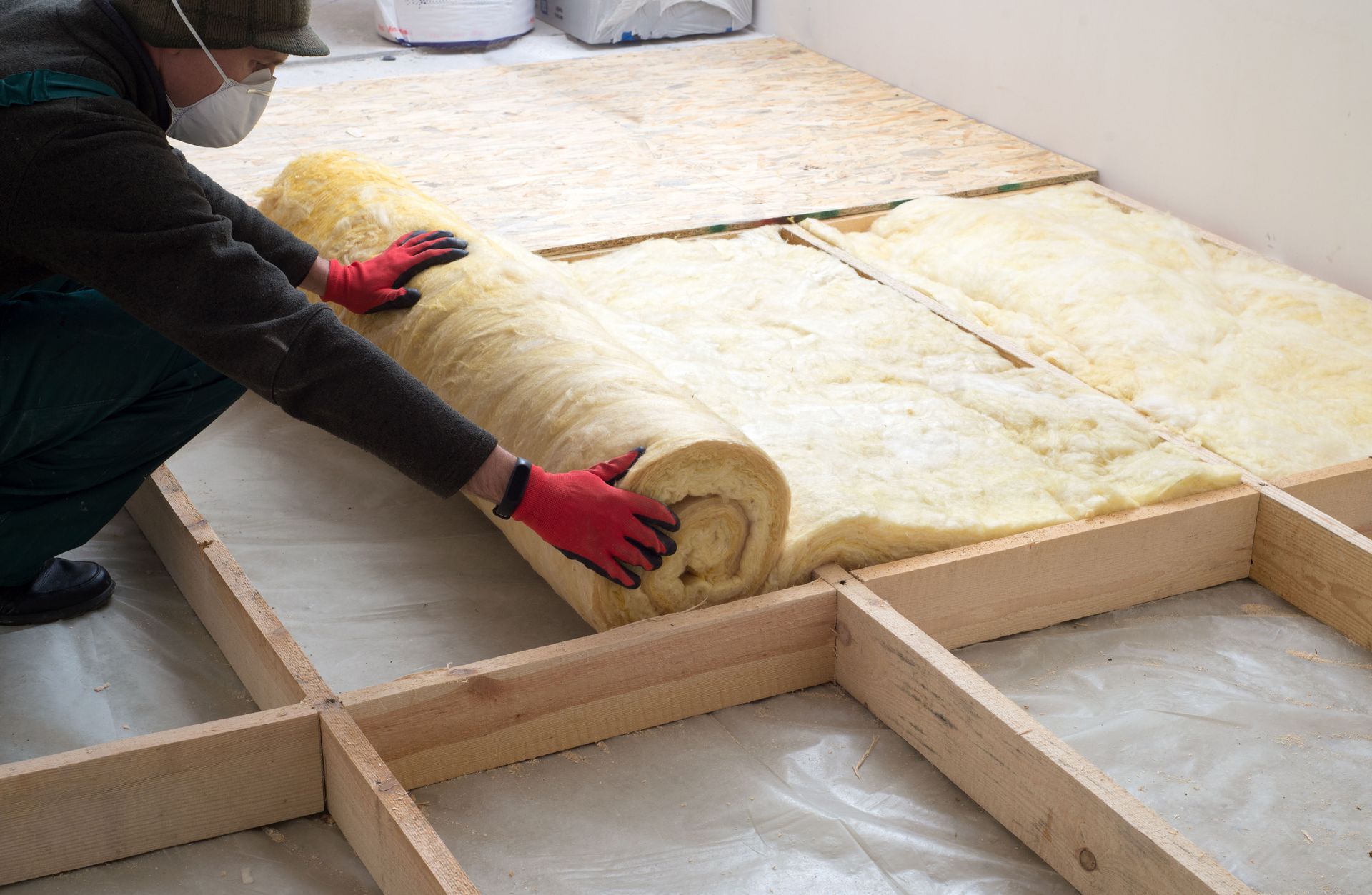
In today's energy conscious world, ensuring your home is adequately insulated can lead to significant savings on monthly utility bills. Unlike traditional fiberglass batts or loose fill cellulose, expanded polyurethanes expand upon application to fill minuscule crevices and irregular voids that conventional materials miss. This expansion creates an uninterrupted air barrier that minimizes unwanted air exchange between conditioned interior spaces and the outdoors. Recognizing the early indicators of insulation degradation enables homeowners to take proactive steps toward comprehensive restoration. Engaging licensed contractors for tailored installation guarantees optimal performance and long-lasting structural defense.
Evaluating Escalating Energy Expenditures
Unexpected increases in monthly utility expenses often signal underlying deficiencies within a residential thermal envelope. When building materials deteriorate or settle over time, thermal transfer accelerates, forcing climate control equipment to operate at maximum capacity. An overworked heating or cooling system consumes exponentially more electricity or natural gas to compensate for ongoing thermal loss. Reviewing utility statements over several consecutive seasons provides valuable baseline data for identifying abnormal usage trends. Unexplained expenditure spikes typically indicate that conditioned air is escaping through compromised structural boundaries.
Conducting a thorough evaluation of energy loss hotspots helps isolate areas requiring immediate professional intervention. High risk zones include unfinished attics, uninsulated basements, exterior wall cavities, and framing junctions near doors or windows. Standard sealing measures rarely provide lasting protection against persistent air leakage across large surfaces. Utilizing advanced spray foam insulations across vulnerable architectural zones effectively seals hidden air leaks and prevents unconditioned air infiltration. Engaging experienced specialists ensures these high resistance materials are applied with precision to restore maximum home energy efficiency.
Resolving Uneven Household Temperature Zones
Inconsistent room temperatures throughout a home often point directly to inadequate thermal barrier coverage. Hot and cold spots frequently develop when certain rooms lack sufficient thermal resistance or suffer from unsealed structural framing gaps. Upper levels often trap excess summer heat, while ground level rooms remain uncomfortably chilly during winter months. Sun exposure and architectural design can exacerbate these disparities, making central climate control adjustments largely ineffective. Identifying these distinct thermal imbalances is the essential first step toward achieving a balanced indoor environment.
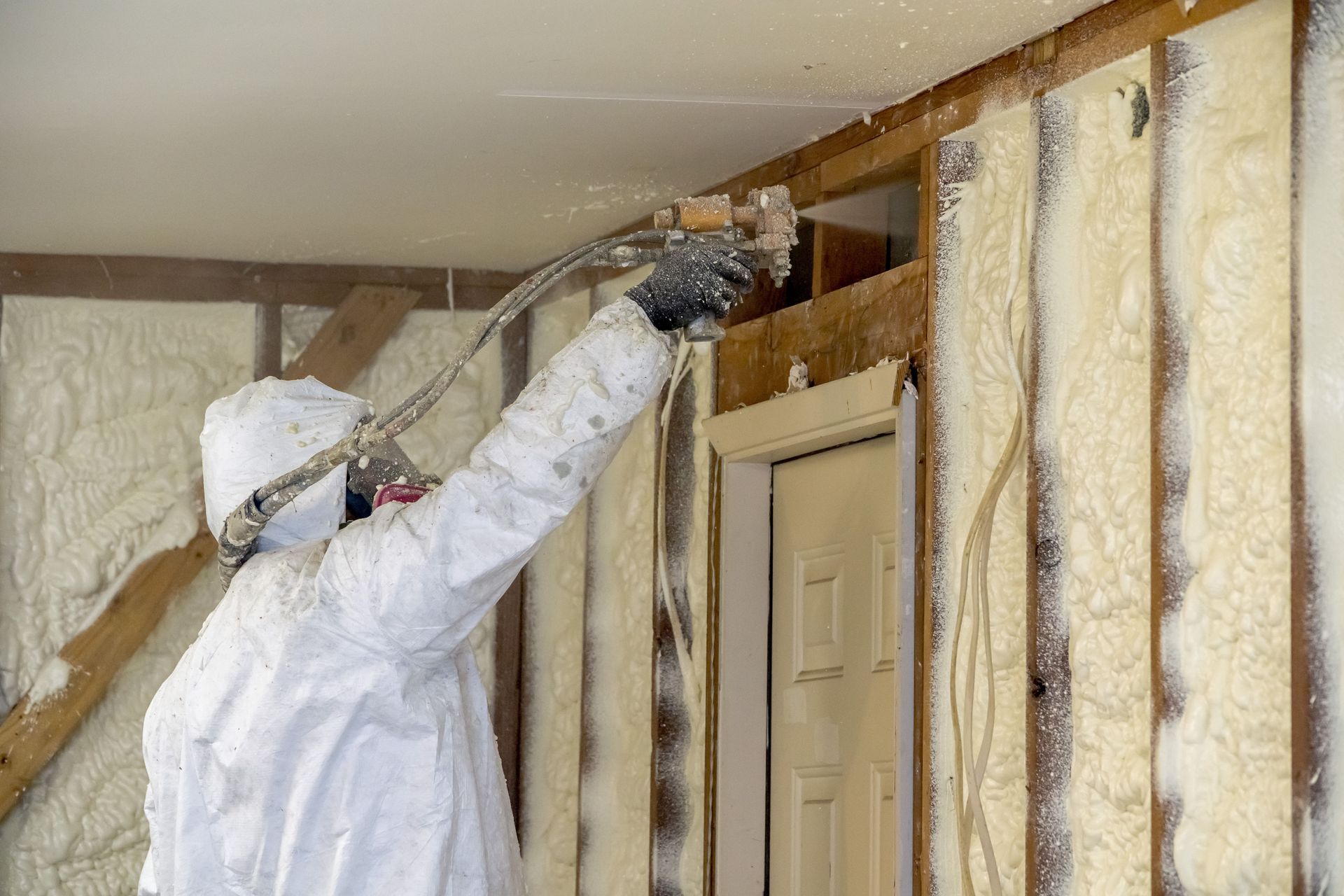
Thermal bridging occurs when structural elements such as wood studs, steel joists, or concrete foundations conduct heat across building assemblies. This direct transfer pathway bypasses surrounding insulation and creates significant energy loss channels. Modern spray foam insulations counteract thermal bridging by completely encapsulating conductive structural elements in a continuous protective layer. This comprehensive coverage prevents exterior temperature fluctuations from migrating indoors, ensuring consistent comfort across every room. Expert diagnostics can confirm whether specialized foam applications are necessary to eliminate stubborn temperature variances permanently.
Eliminating Persistent Drafts in Structural Gaps
Persistent drafts inside living areas indicate that outdoor air is penetrating the primary structural shell of the building. Homeowners often feel cool breezes near baseboards, wall outlets, window frames, or attic access doors during windy weather. These noticeable air movements confirm that existing atmospheric boundaries have failed and require structural remediation. Left uncorrected, continuous air exchange increases utility expenses while introducing outdoor allergens and pollutants into indoor living spaces. Temporary surface sealants rarely resolve complex air leakage pathways buried deep within structural walls.
Diagnostic air testing methods can accurately pinpoint exact leak locations throughout the building shell. Specialized tools such as blower doors depressurize the structures, while infrared imaging cameras detect precise temperature differentials caused by incoming air streams. Standard surface caulking and weatherstripping often fail to resolve large structural gaps or deep framing cavities. Commercial spray foam insulations expand hundreds of times their original liquid volume to seal complex framing voids permanently. Partnering with certified specialists ensures every air infiltration pathway is fully sealed with high density material.
Mitigating Indoor Mold and Mildew Risks
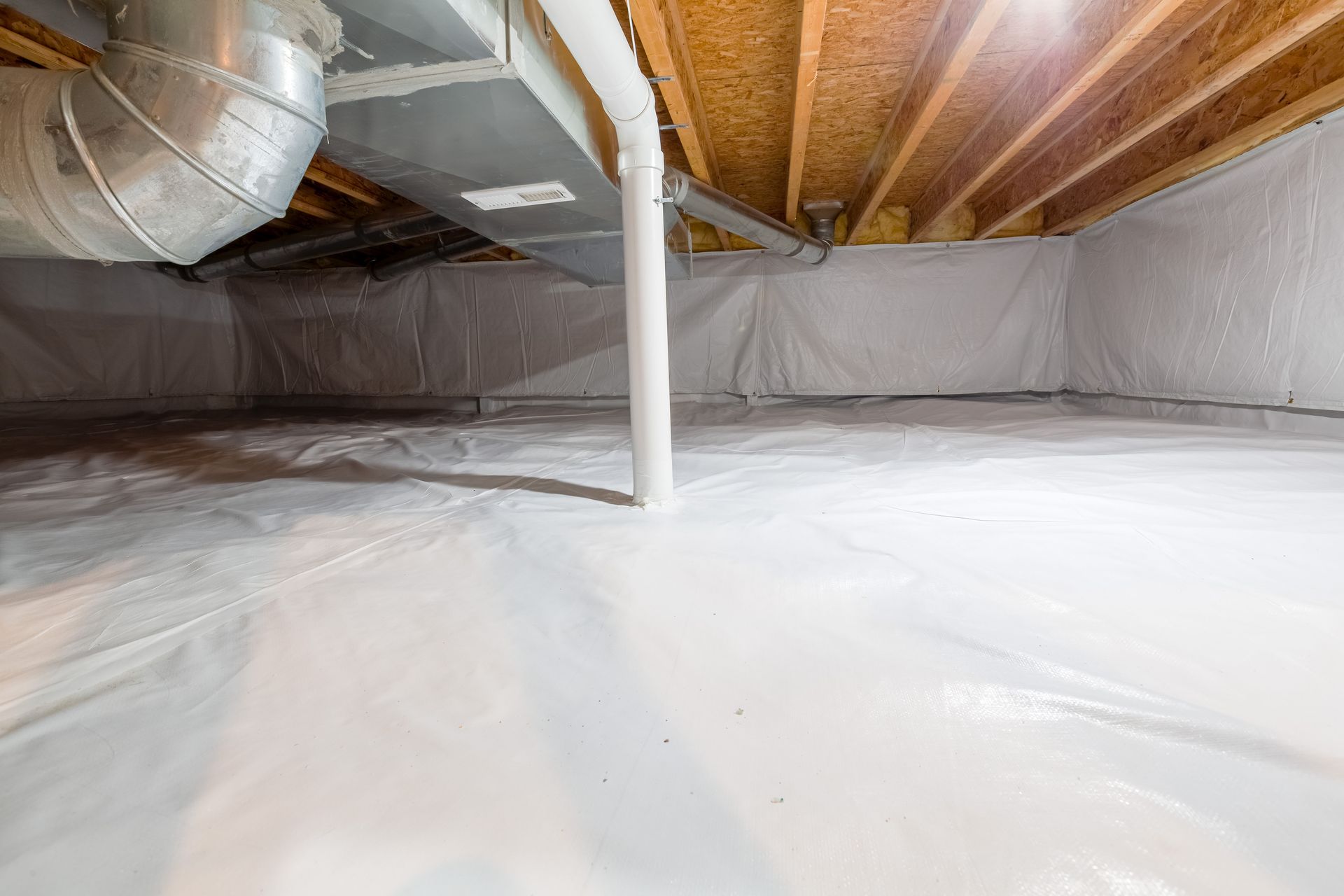
Inadequate insulation performance routinely creates optimal conditions for unwanted moisture accumulation and subsequent microbial growth. High humidity levels combined with surface temperature differences cause ambient vapor to condense on uninsulated interior surfaces. Dark, enclosed areas such as crawlspaces, basements, and attic rafters are particularly susceptible to dampness and fungal spores. Proliferating mold damages structural wood framing, ruins drywall, and degrades indoor environmental quality over time. Correcting fundamental insulation deficiencies is vital to eliminating the moisture sources that support fungal development.
Unchecked mold growth poses recognized environmental hazards to building occupants and compromises structural building integrity. Fungal spores circulate through central ductwork, causing unpleasant odors and impacting indoor air quality across living areas. Addressing structural gaps with moisture resistant barriers disrupts the condensation cycle at its physical source. Specialized spray foam insulations function as both an airtight thermal barrier and a moisture impermeable shield when applied to structural surfaces. Professional installation prevents water vapor migration, protecting interior framing and maintaining a healthy living environment.
Optimizing Extended Heating and Cooling Cycles
Excessive operational cycles put severe mechanical stress on central heating and cooling equipment. When building envelopes leak conditioned air, thermostats signal HVAC units to run continuously without reaching target temperatures. Extended run times accelerate component wear, increase frequency of maintenance interventions, and elevate total operational costs. System laboring also compromises indoor humidity regulation, leaving interior spaces feeling humid in summer or overly dry in winter. Improving structural thermal resistance reduces equipment workload and restores normal operational efficiency.
Homes with optimized insulation retain conditioned air more effectively, shortening heating and cooling cycles. According to the U.S. Department of Energy, spray foam insulation can reduce the workload on HVAC systems by up to 35%, underscoring its effectiveness. By reducing cycle durations, homeowners save energy and experience fewer system breakdowns. Applying premium spray foam insulations creates an airtight seal that maintains stable indoor temperatures with minimal HVAC intervention. Professional contractors evaluate unique building requirements to deliver customized application solutions that maximize mechanical system longevity.
Conclusion
Recognizing the clear warning signs of thermal barrier failure is essential for preserving structural integrity, indoor comfort, and energy efficiency. Unexplained expenditure spikes, persistent drafts, room temperature variances, moisture accumulation, and extended HVAC cycles signal a clear need for professional remediation. Addressing these symptoms promptly prevents compounding structural damage while lowering monthly operating costs. Superior insulation technology offers a comprehensive single source solution that seals air leaks, blocks moisture, and stabilizes indoor temperatures. Investing in certified
spray foam insulations ensures long-term thermal defense for any residential or commercial property.
When you are ready to upgrade your property's thermal boundary and start saving on energy costs, contact Volunteer FoamPros LLC today. Our team of certified technicians delivers comprehensive building assessments and tailored installation services designed to meet your specific structural needs. We utilize industry leading materials and precise application techniques to eliminate drafts, control moisture, and optimize indoor comfort. Reach out to us to schedule your professional insulation consultation and experience the transformative benefits of an airtight, energy efficient building envelope.