May 19, 2026
Modern homes are expected to provide comfort, stability, and protection from outside conditions, yet many homeowners overlook one of the most influential spaces affecting all three: the crawl space. When left unsealed or poorly maintained, this hidden area can become a source of moisture intrusion, air quality issues, and energy inefficiency that gradually affects the entire structure above it. Addressing these concerns at the source has become an increasingly important part of modern home maintenance strategies, particularly in regions where humidity and seasonal temperature swings are common.
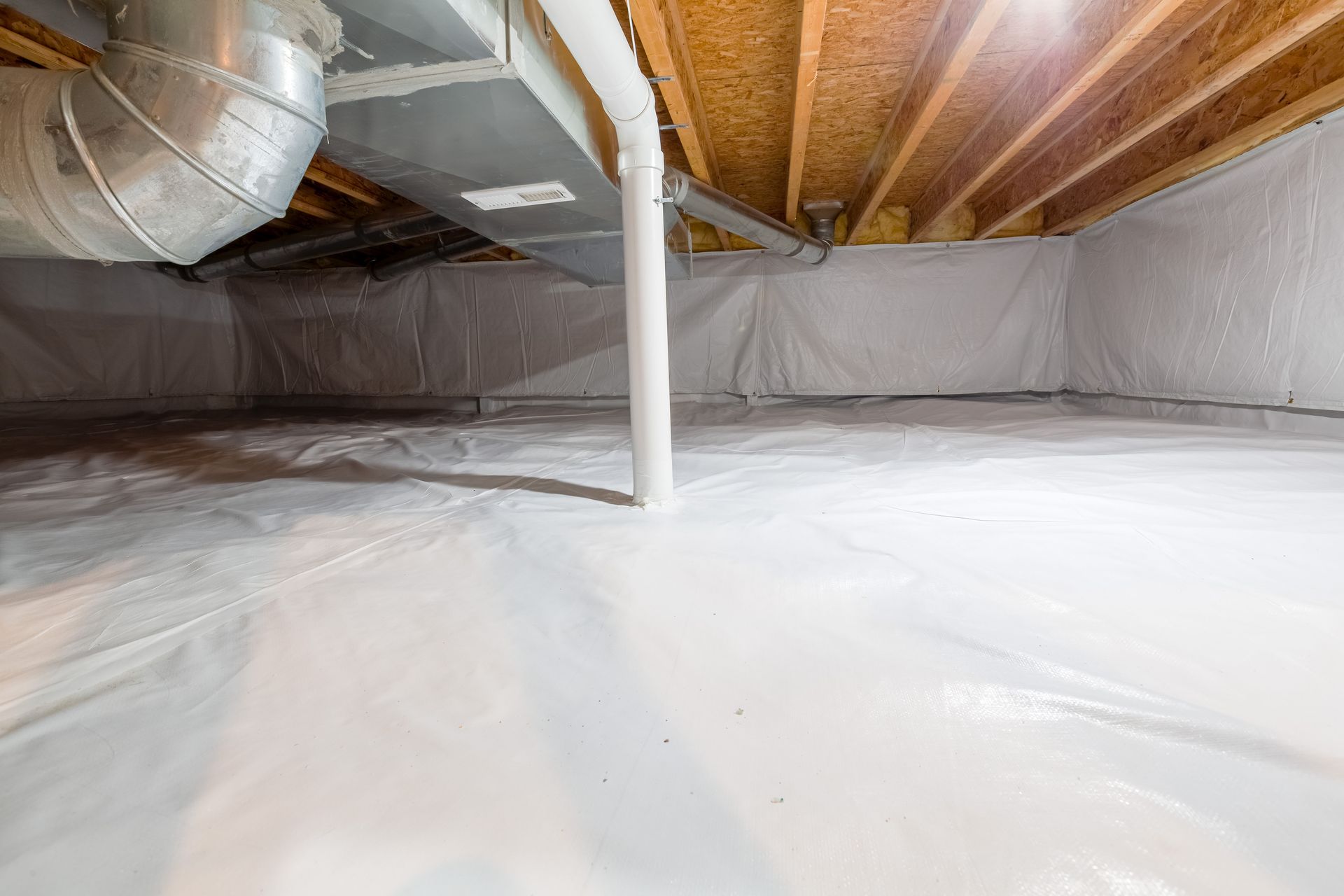
Among the most effective approaches to improving this under-home environment is encapsulation, a method designed to isolate the space from ground moisture and outside air. By creating a controlled environment beneath the home, homeowners can significantly reduce long-term risks associated with structural deterioration and indoor air contamination. As awareness of these benefits continues to grow, more property owners are seeking solutions that prioritize both comfort and durability.
The increasing demand for this type of home improvement is also reflected in market trends. According to Archive Market Research, industry projections estimate that the crawl space encapsulation service market will approach a valuation of nearly $8.8 billion by 2026, highlighting a steady rise in homeowner investment toward moisture control and energy-efficient solutions.
Ultimately, understanding how this process works and what it can achieve is essential for anyone looking to improve the long-term performance of their home.
Moisture Control and Structural Protection Benefits
Controlling Moisture Intrusion at the Source
One of the most immediate advantages of crawl space encapsulation is its ability to control moisture at the ground level before it spreads into the rest of the home. Unsealed crawl spaces naturally allow humid air, groundwater vapor, and seasonal dampness to rise upward, where it can settle into insulation, wooden framing, and flooring systems. Over time, this persistent exposure weakens structural components and creates an environment conducive to long-term deterioration.
When properly implemented, encapsulation forms a continuous barrier that limits direct contact between the earth and the home's foundation. This barrier helps regulate humidity levels and reduces the cycle of condensation that typically forms when warm air meets cooler surfaces beneath the house. The result is a more stable structural environment that is less vulnerable to gradual degradation.
Protecting Foundations and Framing Materials
Moisture exposure does more than affect air quality; it directly impacts the integrity of foundational and framing materials. Wood framing members located near or within the crawl space are particularly vulnerable to swelling, warping, and eventual decay when exposed to sustained humidity. Similarly, concrete foundations can develop minor cracks over time as moisture cycles expand and contract surface materials.
Encapsulation helps mitigate these issues by creating a controlled environment where moisture fluctuations are significantly reduced. This stability helps preserve the strength of load-bearing elements and reduces the likelihood of long-term structural movement. As a result, homes tend to maintain their original alignment and stability for longer periods without requiring extensive foundation repairs.
Reducing Long-Term Repair Costs
Ongoing exposure to uncontrolled moisture often leads to a cycle of repairs that can become costly over time. Issues such as rotting beams, deteriorating insulation, and shifting subfloors are commonly traced back to unregulated crawl space conditions. Addressing these problems individually can be expensive and disruptive, particularly when damage spreads unnoticed over several years.
By contrast, crawl space encapsulation focuses on prevention rather than repair. Sealing the space reduces the likelihood of moisture-related damage developing in the first place, which helps homeowners avoid repeated maintenance expenses. Over time, this preventive approach can significantly reduce the need for structural interventions and emergency repairs.
Indoor Air Quality and Energy Efficiency Improvements
How Airflow From Crawl Spaces Impacts Living Spaces
Air movement between a crawl space and the upper living areas of a home is more significant than many homeowners realize. In unsealed conditions, air from the crawl space can rise into the home through small gaps, floor penetrations, and ductwork pathways. If that air is humid or contaminated, it can directly influence indoor air quality and comfort levels.
Encapsulation reduces this uncontrolled airflow by isolating the lower structure from the living environment above. Once sealed, the crawl space no longer acts as a source of unfiltered air, which helps create a cleaner and more consistent indoor atmosphere. Homeowners often report a noticeable reduction in musty odors and airborne irritants after this improvement is completed.
Temperature Stability Throughout the Home
Temperature fluctuations inside a home are often influenced by conditions beneath the structure. When a crawl space is exposed to outdoor air, it can act as a thermal bridge that allows cold or warm air to influence floor temperatures. This results in uneven heating and cooling patterns, particularly during seasonal transitions.
With crawl space encapsulation in place, the temperature beneath the home becomes more consistent and less affected by external conditions. This stability helps reduce heat loss during colder months and limits heat gain during warmer seasons. As a result, indoor spaces maintain a more balanced temperature profile throughout the year.
Health Considerations Related to Mold and Humidity
Moisture accumulation in crawl spaces creates ideal conditions for mold growth, which can eventually impact indoor air quality. As mold spores develop and spread, they can enter living spaces through airflow pathways, potentially affecting respiratory comfort and overall health.
Crawl space encapsulation addresses this issue by limiting the humidity levels required for mold development. By controlling moisture at its source, the environment becomes significantly less favorable for microbial growth. This reduces the likelihood of airborne contaminants entering the home and supports a healthier indoor environment.
Home Value, Comfort, and Long-Term Investment Impact
Market Appeal and Property Value Considerations
Homebuyers are increasingly aware of the importance of foundational health and moisture control when evaluating properties. A well-maintained crawl space can serve as a strong selling point, signaling that the home has been properly cared for and structurally protected.
Encapsulation enhances this perception by demonstrating proactive maintenance and long-term planning. Buyers often view homes with sealed crawl spaces as lower risk, particularly in regions where humidity and moisture-related issues are common concerns. This can translate into stronger market appeal and potentially higher resale value.
Comfort Improvements Across Seasons
Comfort is one of the most immediate benefits homeowners notice after addressing crawl space conditions. Seasonal discomfort, such as cold floors in winter or excessive humidity in summer, is often linked to uncontrolled air movement beneath the home.
Crawl space encapsulation helps stabilize these conditions by creating a controlled buffer between the ground and the living space. This buffer reduces the influence of outdoor temperatures and moisture levels, allowing indoor environments to remain more consistent throughout the year.
Why Professional Installation Matters
The effectiveness of crawl space encapsulation depends heavily on proper installation and material selection. Each home presents unique structural and environmental conditions that must be evaluated carefully to ensure the system performs as intended.
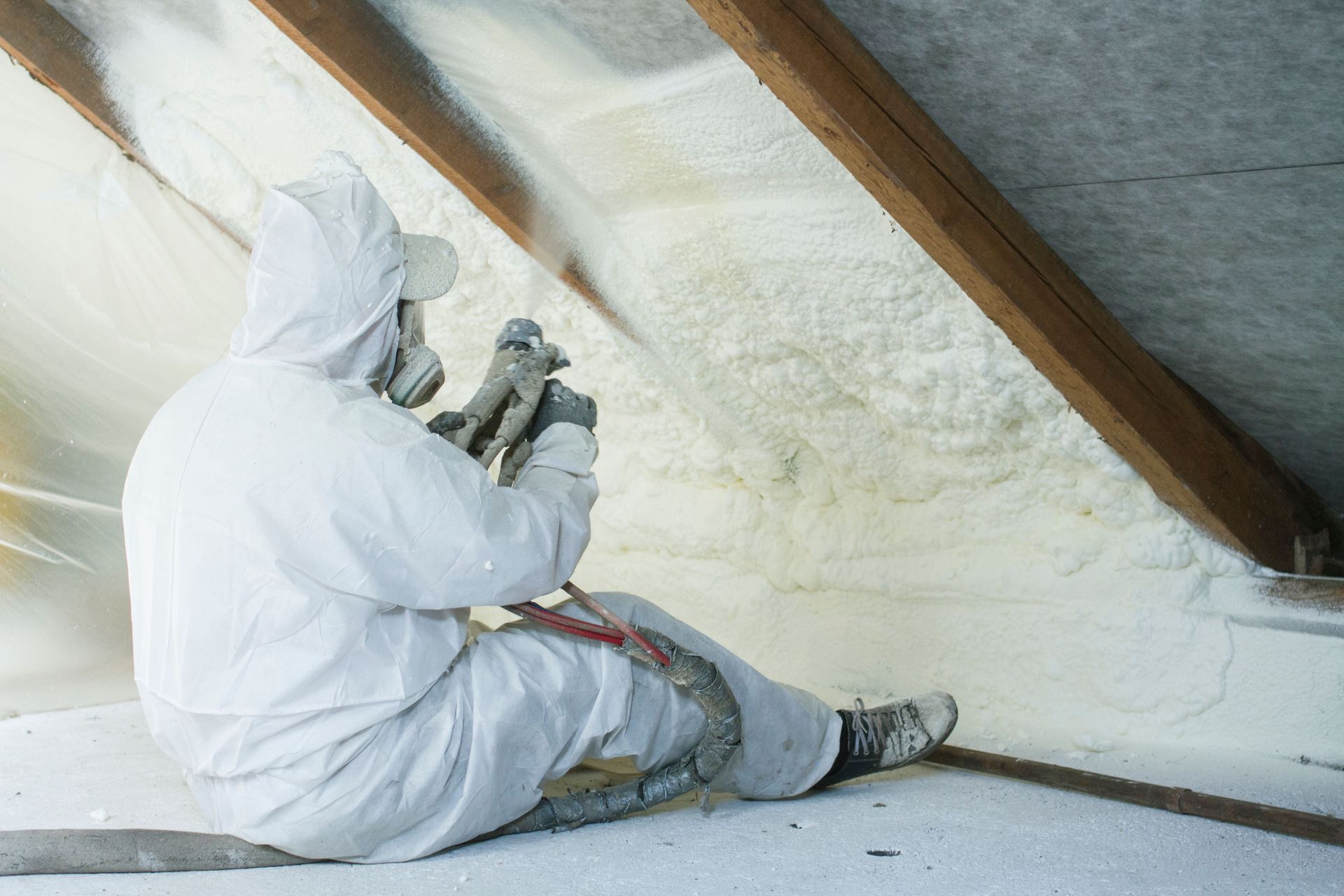
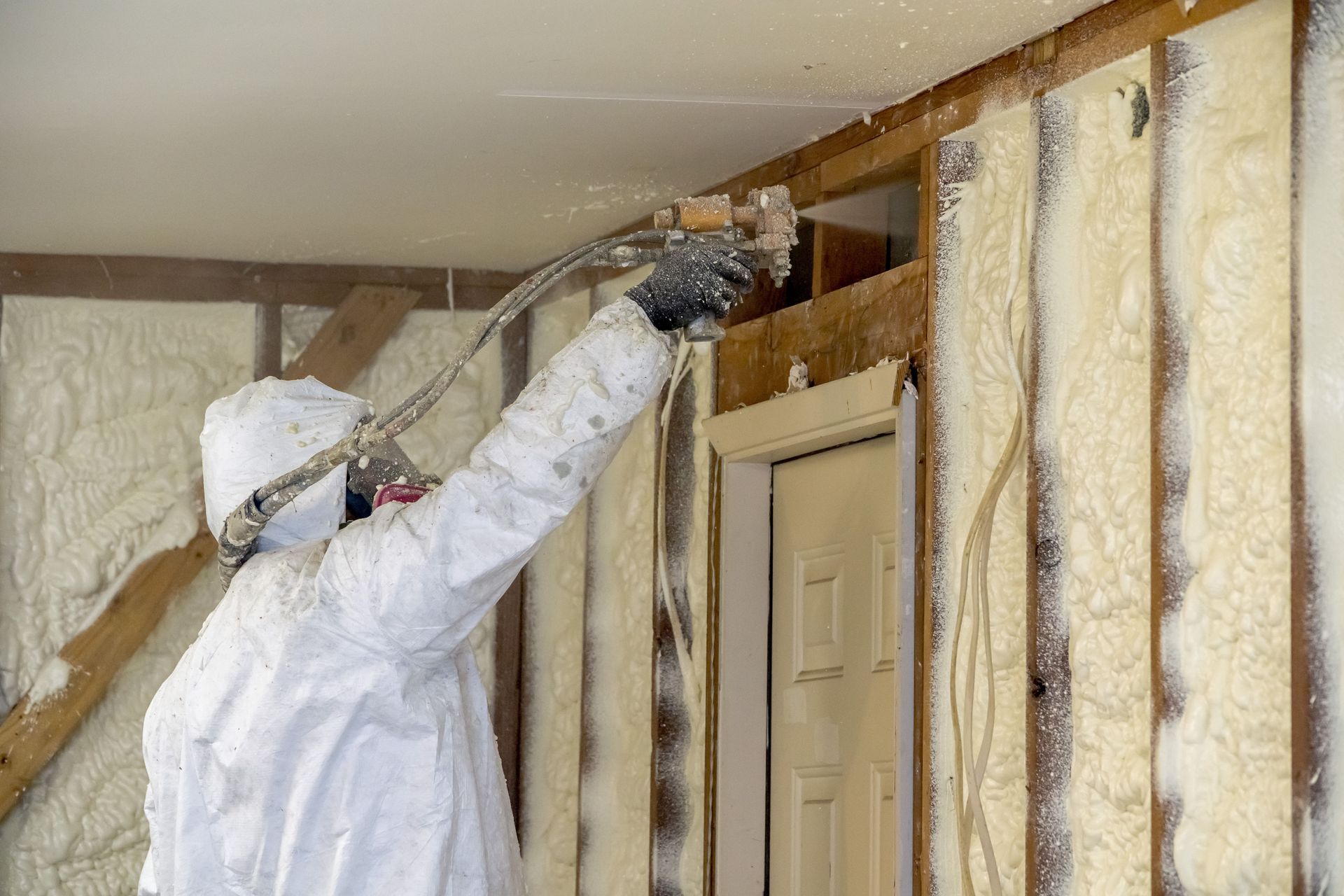
Professional installation ensures that sealing methods, vapor barriers, and moisture control strategies are correctly applied to the specific characteristics of the home. This level of precision helps prevent gaps, improper sealing, or incomplete coverage that could compromise performance over time.
Improving the condition of a crawl space is one of the most effective ways to enhance a home's durability, comfort, and efficiency. By addressing moisture intrusion, air quality concerns, and temperature instability at their source, homeowners can create a more stable living environment that supports both structural integrity and daily comfort. The growing interest in this type of home improvement reflects a broader understanding of how foundational systems influence the entire household experience. To learn more about the benefits of crawl space encapsulation, reach out to Volunteer FoamPros LLC!