March 23, 2026
Insulation is a key component of an energy-efficient home. Working with a reputable house insulation contractor ensures proper installation and maximizes energy savings. According to the U.S. Environmental Protection Agency, homeowners can save an average of 15% on heating and cooling costs by adding insulation and sealing air leaks in key areas of their home. By controlling heat transfer, reducing noise, and preventing moisture, it helps maintain consistent indoor temperatures while lowering energy costs. Understanding insulation types and R-values allows homeowners to make informed choices that improve comfort, save money, and support environmental sustainability. Proper insulation is an investment in long-term savings and property value.
Understanding Insulation Basics
What is Insulation?
Insulation is a material or method used to prevent heat, sound, or electricity from being transmitted from one area to another. It plays a crucial role in determining a building's energy efficiency. By regulating heat transfer, insulation helps maintain a stable temperature, reducing the need for heating and cooling systems. Insulation is not just for thermal management; it can also serve as a barrier against noise and moisture. Understanding how insulation works is essential to optimizing its benefits in the home, and consulting a home insulation contractor can provide expert guidance.
Types of Insulation Materials
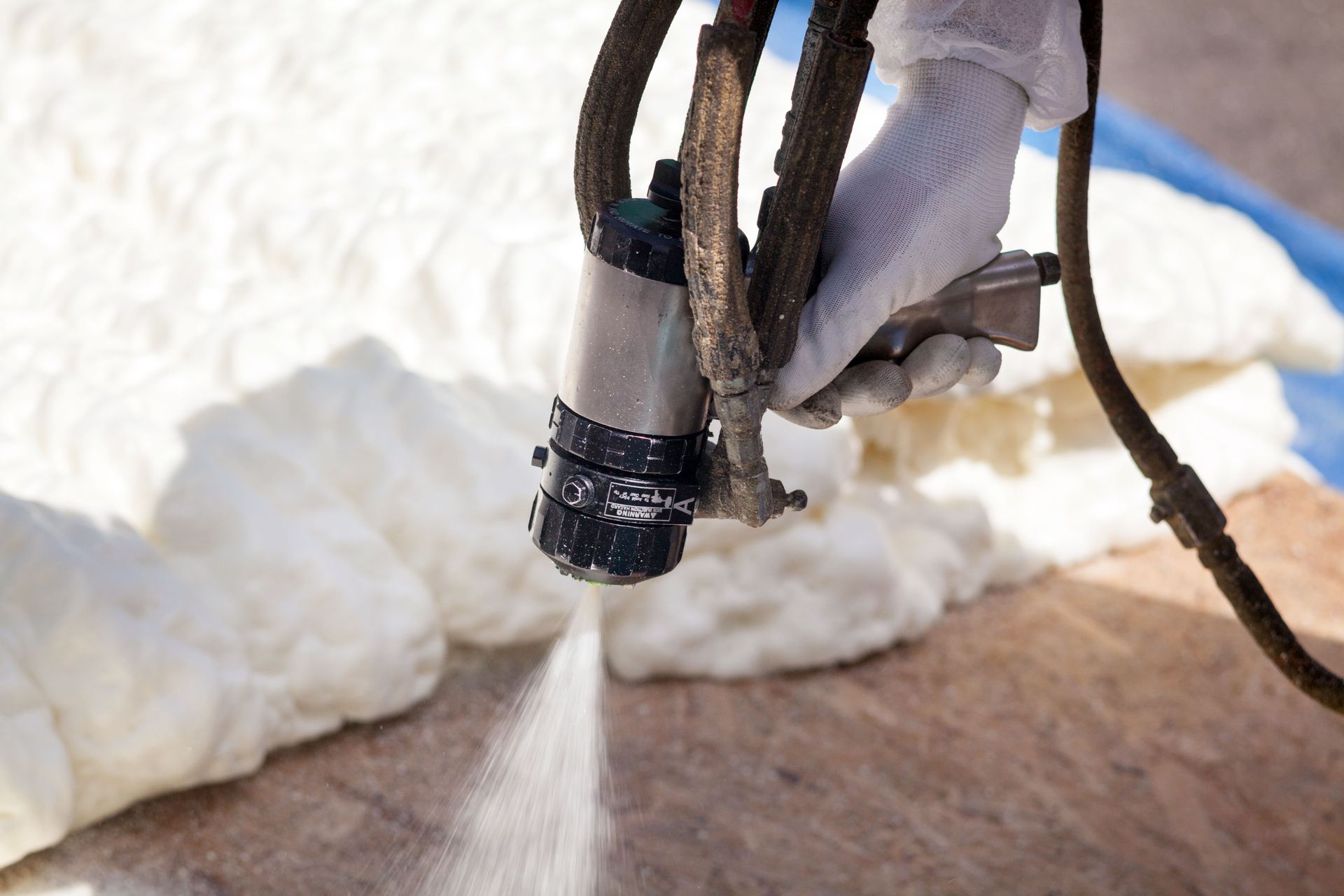
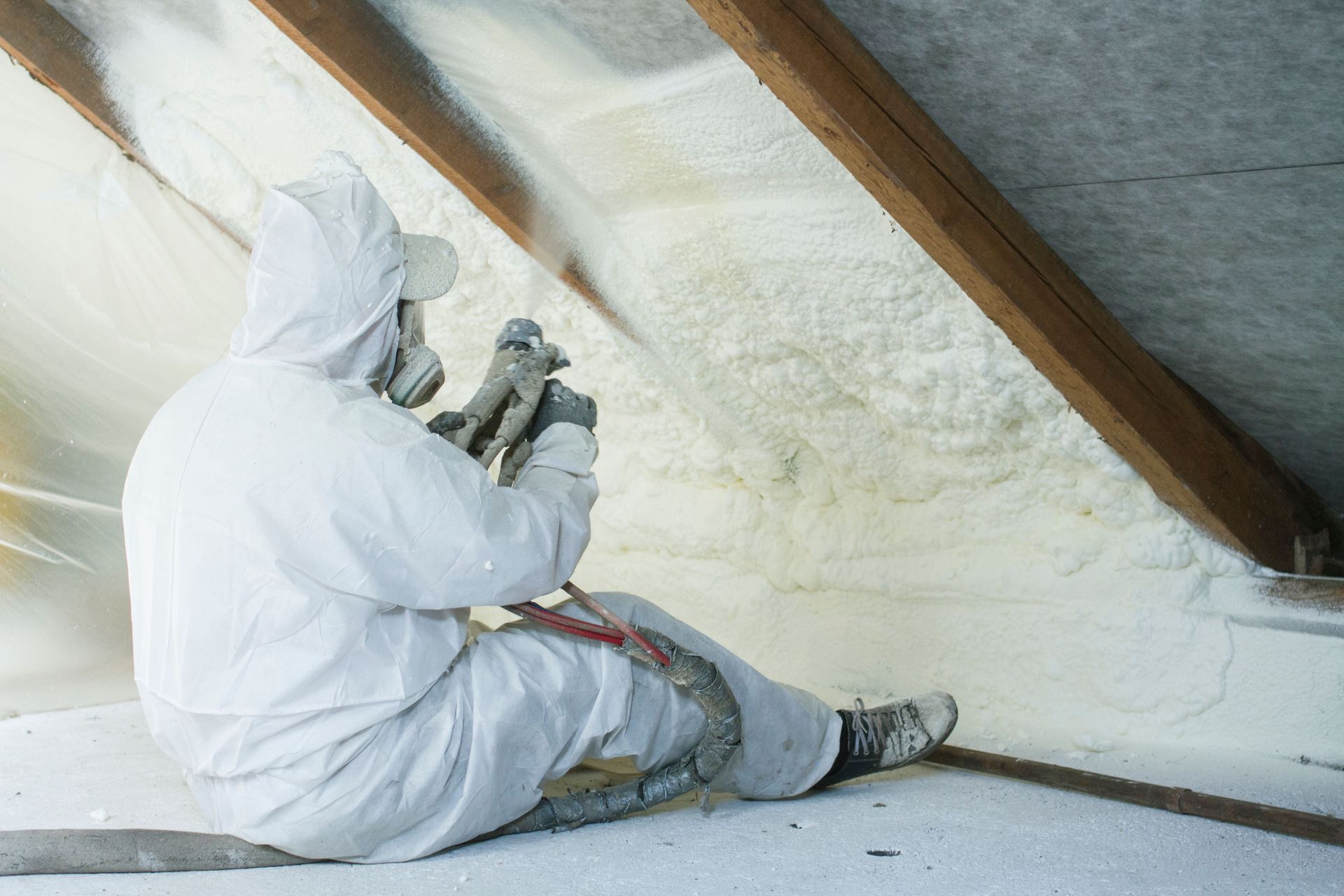
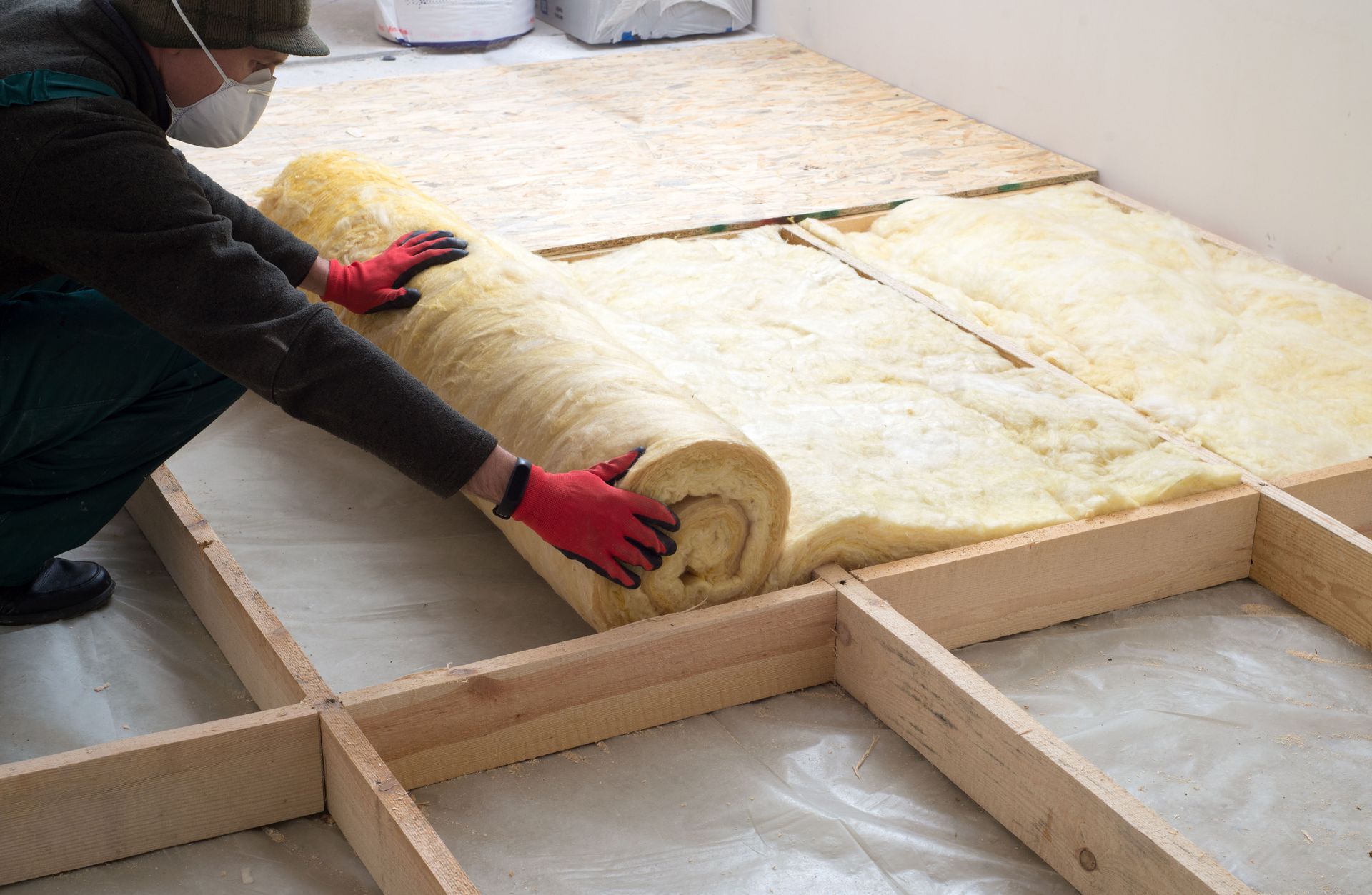
Various materials can be used for insulation, each offering unique benefits. Common types include fiberglass, cellulose, spray foam, and rigid foam. Fiberglass is often used due to its affordability and ease of installation. Cellulose, made from recycled paper products, offers an eco-friendly option. Spray foam and rigid foam offer superior sealing performance, making them ideal for hard-to-reach areas when installed by a skilled residential insulation contractor.
Measuring Insulation Effectiveness: R-Value
R-value is the metric used to measure the effectiveness of insulation materials. It quantifies the material's resistance to heat flow; higher values indicate better insulation performance. Understanding R-value is essential when choosing the right insulation for your home, as it determines how well it retains heat in winter and blocks heat in summer. Different areas of your home may require different R-values based on factors like climate and existing structures. Consulting a professional house insulation contractor can help determine the optimal R-value for each area of your home.
The Financial Benefits of Proper Insulation
Immediate Savings on Energy Bills
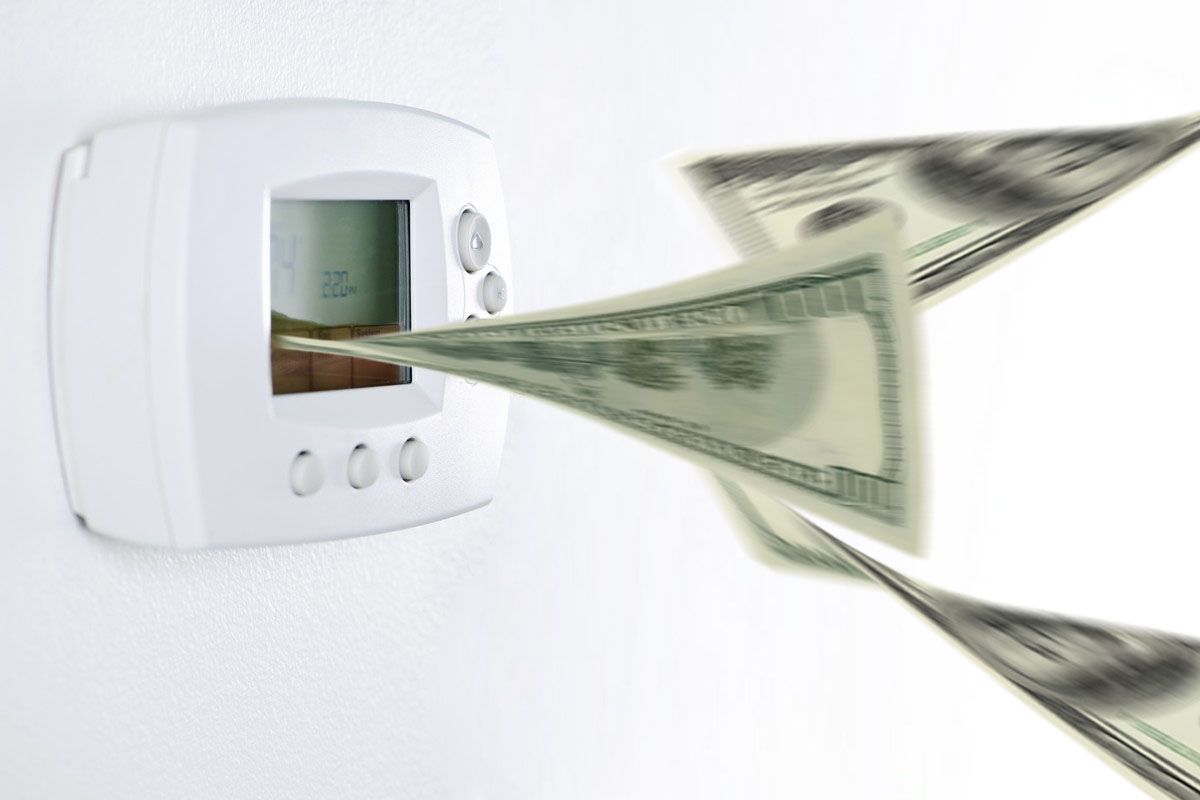
Installing proper insulation can lead to immediate savings on your energy bills, especially when completed by a certified house insulation contractor. By minimizing the demand on heating and cooling systems, energy consumption decreases significantly. Homes that are well insulated are more energy-efficient, resulting in lower utility bills. Often, the reduction in monthly energy expenses offsets the initial cost of installing insulation. Investing in insulation yields substantial financial benefits from the outset.
Long-term Savings and ROI
Proper insulation offers long-term financial advantages, not just short-term savings. Over the years, reduced energy use translates into considerable financial savings, offering a return on investment (ROI) for the initial outlay. As energy prices continue to rise, these savings can become even more significant over time. Beyond financial savings, improved insulation also enhances comfort by maintaining a consistent indoor climate. This aspect transforms insulation from a mere utility job into a substantial long-term financial strategy.
Insulation and Increased Property Value
Improper insulation can adversely impact a property’s resale value, whereas quality insulation can enhance it. Potential buyers often seek energy-efficient homes, wanting to invest in properties with proven, lower utility costs. Upgrading a home's insulation can increase its market competitiveness by appealing to eco-conscious buyers. Energy efficiency ratings in real estate listings also attest to the value of good insulation. Ultimately, insulation is not just a feature but an essential selling point in property negotiations.
Environmental Impact of Insulation
Reducing Carbon Footprint
Energy-efficient insulation reduces a home's carbon footprint by curbing energy consumption. With less energy used for heating and cooling, fewer fossil fuels are burned, reducing environmental pollution. The adoption of proper insulation is a personal and collective effort to mitigate global warming. Homeowners who prioritize insulation contribute significantly to environmental preservation, and making environmentally responsible choices in everyday life helps build a more sustainable future for the planet.
Sustainable Insulation Materials
Sustainable insulation materials have gained popularity as homeowners seek eco-friendly alternatives. Materials like sheep's wool, cork, and recycled denim have become viable, sustainable options. These materials minimize environmental impact by reducing resource consumption and improving energy efficiency in homes. Choosing sustainable materials supports a circular economy and reduces landfill waste. Thoughtful choices in insulation materials can lead to significant environmental benefits without compromising performance or efficiency.
Energy Efficiency and Environmental Responsibility
Energy efficiency and environmental responsibility go hand in hand, with insulation playing a primary role. An insulated home optimizes energy use, reducing the demand for finite resources. The dynamic relationship between energy efficiency and environmental responsibility reflects a broader commitment to sustainability. While cost-effective for homeowners, the implications extend beyond personal benefits to global ecological health. Adopting energy-efficient measures signifies an investment not only in homes but in the planet's well-being.
Areas of the Home to Insulate
Attic Insulation
Attic insulation is crucial because heat rises, making the attic a primary area for heat loss. Inadequate attic insulation can lead to higher energy bills and reduced efficiency. The attic’s unique exposure to outdoor elements means the right insulation can deliver significant savings. Effective attic insulation helps maintain a balanced indoor temperature year-round. Addressing attic insulation needs first can be a strategic move to enhance a home's overall energy efficiency.
Wall Insulation
Walls account for significant heat transfer within a home, making their insulation crucial for energy savings. Different wall structures may require distinct insulation types, from cavity walls to solid constructions. Properly insulating walls not only contributes to energy efficiency but also reduces noise pollution. Homeowners should consider retrofitting older homes, as many were built with inadequate insulation. Professional consultation can ensure walls are insulated to optimal standards, tailored to each building's needs.
Basement and Crawl Space Insulation
Uninsulated basements and crawl spaces can be major sources of energy loss. These areas are prone to moisture intrusion, which can degrade insulation unless appropriate materials are selected. Insulating crawl spaces and basements reduces energy costs, particularly when a knowledgeable house insulation contractor selects the right materials. Addressing moisture and selecting durable insulation materials helps prevent mold growth and structural damage. Over the long term, these investments contribute to energy savings, safety, and the longevity of the home's infrastructure.
Maintaining and Upgrading Insulation
Signs Your Insulation Needs an Upgrade
Recognizing the signs that insulation requires upgrading is essential for maintaining energy efficiency. A sudden increase in energy bills, drafts, or uneven temperatures can indicate insulation issues. Visual inspections revealing moisture, mold, or pest damage suggest compromised insulation. Additionally, age is a factor; older insulation might not meet current performance standards. Identifying these signs proactively allows homeowners to upgrade insulation before inefficiencies escalate.
Enhancing Existing Insulation
Bolstering existing insulation can optimize energy savings without full replacement. Techniques include adding additional layers to existing insulation or sealing gaps and leaks. Using reflective barriers or insulating coatings can supplement insulation, improving efficiency. Even reassessing attic ventilation or air-sealing strategies can lead to significant improvements. Thoughtful upgrading can sustain and elevate the performance of insulation systems over time.
Regular Maintenance Tips
Regular maintenance of insulation ensures long-term effectiveness and cost savings. Regularly inspecting insulation areas for moisture intrusion, drafts, or damage is crucial. Seasonal changes offer opportunities to evaluate insulation performance, such as checking door and window leak seals. Basic maintenance, such as replacing or retrofitting worn or inadequate insulation, helps prevent energy losses. These proactive maintenance steps can extend the lifespan and improve the overall performance of a home's insulation.
Effective insulation offers financial, environmental, and comfort benefits. Upgrading attics, walls, basements, or crawl spaces can reduce energy costs, improve indoor living conditions, and boost property value. Choosing the right materials, maintaining them, and addressing inefficiencies ensures lasting performance. Investing in quality insulation is a practical step toward a more efficient, sustainable, and resilient home, especially when guided by a trusted house insulation contractor. Contact Volunteer FoamPros LLC for expert insulation services and a free estimate.